
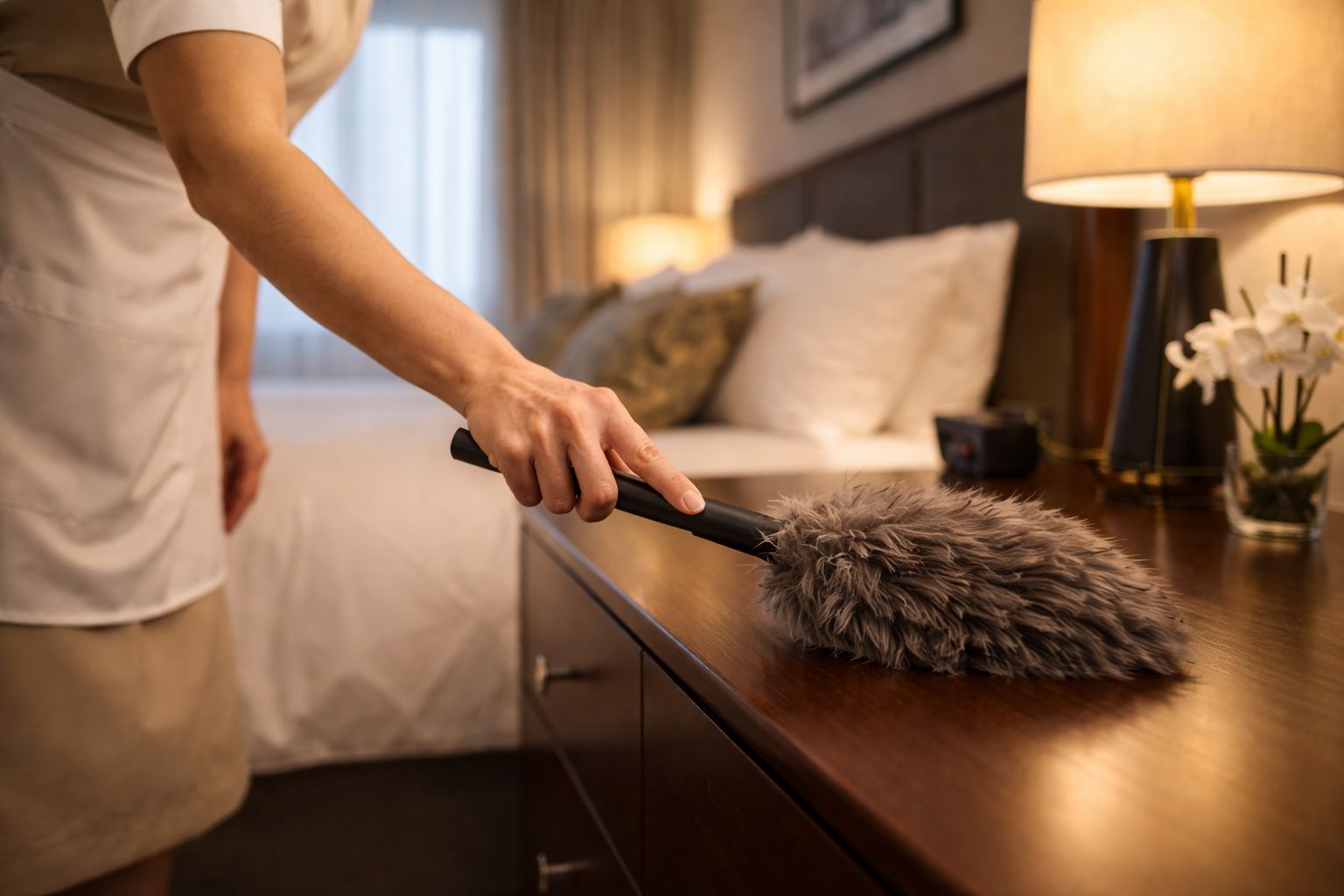
For Florida hotels, summer is already one of the busiest periods of the year. Family vacations, leisure travel, weekend getaways, and seasonal tourism consistently push occupancy levels higher. But when a major international sporting event brings additional visitors into the state, the operational pressure increases even more.
Many hotel leaders focus on sales, revenue management, and occupancy forecasts when preparing for high-demand periods. Yet one of the most important questions often receives less attention: Is your housekeeping department ready to support the demand you’re working so hard to generate?
When occupancy climbs, housekeeping becomes one of the most critical drivers of guest satisfaction, operational efficiency, and profitability.
This summer playbook outlines the key areas every Florida hotel should evaluate before peak demand puts additional strain on the operation.
Why High Occupancy Exposes Operational Weaknesses
During slower periods, operational inefficiencies can remain hidden. A delayed room inspection, a staffing gap, or inconsistent communication between departments may create only minor disruptions.
During high occupancy, however, those same issues become significantly more visible.
Hotels commonly experience:
- Longer room turnaround times
- Delayed check-in availability
- Increased employee fatigue
- More guest complaints
- Higher overtime expenses
- Greater pressure on managers and supervisors
The problem is rarely the volume of guests itself. The real challenge is whether the operation has the structure necessary to handle the increased workload efficiently.
Start with Workforce Readiness
One of the biggest mistakes hotels make is waiting until occupancy increases to address staffing concerns. Successful housekeeping department prepare well before demand peaks.
Workforce readiness should include:
Cross-Training Employees
Cross-trained team members provide operational flexibility during busy periods. When employees understand multiple responsibilities, managers can adapt schedules more effectively and respond faster to unexpected staffing challenges.
Clear Productivity Expectations
Employees perform better when expectations are clearly defined. Housekeepers, laundry attendants, housepersons, and supervisors should understand daily goals, quality standards, and performance expectations before peak periods begin.
Consistent Communication
As occupancy increases, communication becomes more important – not less. Daily briefings help departments stay aligned regarding arrivals, departures, special requests, room priorities, and staffing needs.
Supervision Becomes Even More Important During Peak Demand
Many hotels underestimate the value of active supervision. A supervisor’s role extends far beyond checking completed rooms.
Strong supervision helps:
- Identify operational bottlenecks
- Support team productivity
- Maintain quality standards
- Resolve issues quickly
- Improve communication between departments
- Reduce management pressure
Without active supervision, small issues can quickly become operational problems. During busy periods, leadership presence on property often becomes the difference between a smooth operation and a reactive one.
Protect Guest Experience Through Consistency
Guests may never meet your housekeeping team directly. However, they experience the results of housekeeping every time they enter a room.
Cleanliness remains one of the most influential factors affecting:
- Online reviews
- Guest satisfaction scores
- Repeat bookings
- Brand reputation
During periods of high occupancy, maintaining consistency becomes more difficult—but also more important. Properties that maintain strong housekeeping standards during peak demand often outperform competitors in guest satisfaction and online reputation.
Monitor Productivity Daily
Peak season is not the time for guesswork.
Operational leaders should have visibility into:
- Rooms cleaned per shift
- Staffing levels
- Productivity trends
- Inspection results
- Room turnaround performance
Daily monitoring allows managers to identify challenges before they impact guests. A proactive approach creates more stability and fewer surprises.
Create Property-Specific Standards
Every hotel operates differently. Brand standards, room configurations, guest expectations, and staffing structures vary from property to property. Because of this, successful housekeeping department rely on customized processes rather than generic procedures.
Property-specific standards should include:
- Cleaning protocols
- Inspection procedures
- Productivity benchmarks
- Communication workflows
- Escalation processes
Standardization creates consistency, especially during periods of increased demand.
The Most Successful Hotels Prepare Before Problems Appear
The hotels that perform best during high-demand periods are rarely the ones that react the fastest. They’re the ones that prepared earliest.
They invest in:
- Workforce planning
- Training
- Supervision
- Communication
- Operational accountability
As Florida welcomes increased travel activity this summer, housekeeping readiness will play a critical role in determining which properties deliver exceptional guest experiences and which struggle to keep pace.
Final Thoughts
Major events, summer tourism, and rising occupancy levels create tremendous opportunities for Florida hotels. But increased demand also places greater pressure on operations.
The question isn’t whether guests will arrive. The question is whether your housekeeping department is ready when they do.
At Clean Touch Group, we help hotels build structured housekeeping department through trained teams, active supervision, quality assurance, and scalable workforce solutions designed for high-demand environments.
Because successful peak seasons aren’t managed through improvisation. They’re built through preparation.
Contact us today for a free consultation and discover how Cleantouch Group can elevate your facility’s cleanliness standards: https://cleantouchgroup.com/contact/